Mental Health & Wellbeing
Living with SMA — or caring for someone who does — has a genuine psychological impact. This is often underacknowledged, and there is no shame in seeking support.
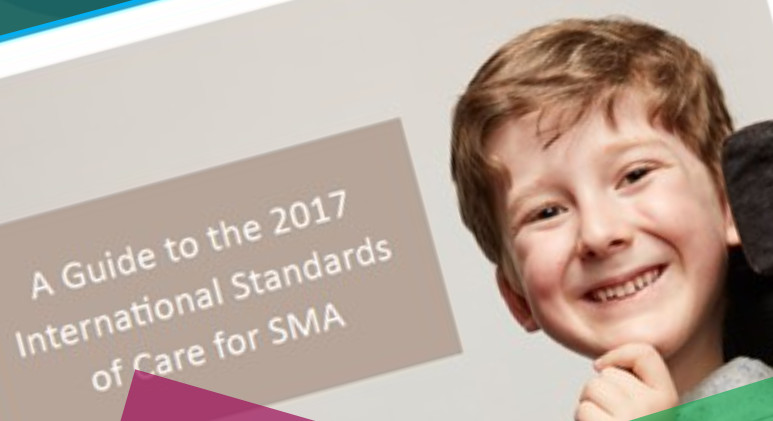
Standards of Care
A family-friendly guide to the care and support that people with SMA should expect — written in plain language for patients and families.
Family Friendly Version
Hospitalisation Care Form
Download the SMA Hospitalisation Care Form — essential information to share with hospital teams to ensure safe, informed care during admission.
Download PDF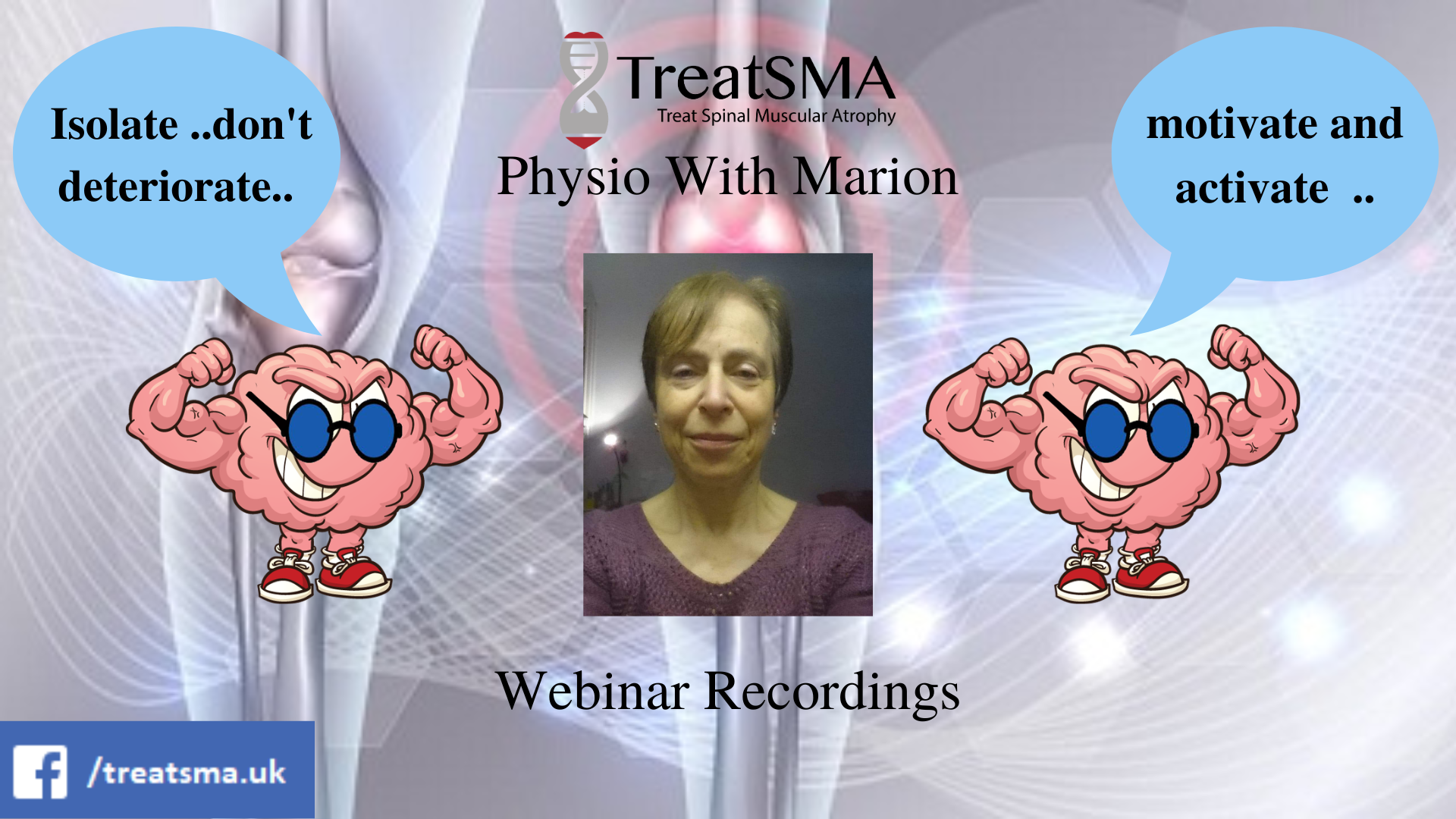
Physio with Marion
A series of webinars with specialist physiotherapist Marion, covering exercises, techniques and advice tailored for people living with SMA.
Watch webinarsGrief and loss
Grief is a normal and legitimate response to SMA — for people with the condition and for those who love them. This includes grief at diagnosis, grief as abilities change over time, and grief for the life you imagined. These feelings deserve to be acknowledged, not suppressed.
The grief associated with a progressive condition is sometimes described as "chronic sorrow" — not a one-time event, but a recurring experience triggered by life transitions, medical appointments, or watching others reach milestones. This is normal. It doesn't mean you aren't coping.
Anxiety and worry
Anxiety is common among people with SMA and their families. Concerns about disease progression, the outcome of the NICE treatment review, how to navigate systems, and what the future holds can all generate significant anxiety.
Practical strategies include staying informed from reliable sources, talking to your clinical team when worried, and using relaxation or mindfulness techniques. When anxiety significantly impacts daily life, talking therapies can be very effective — ask your GP for a referral.
Fatigue and burnout
Both physical fatigue (from the increased effort of living with weaker muscles) and mental fatigue (from navigating complex systems and the cognitive load of managing a complex condition) are real and valid. Burnout is also common in carers.
Don't wait until crisis point. Regular respite, social connection and professional support — whether through a GP, therapist or peer support network — can make a significant difference.
Isolation and identity
SMA is rare — most people will never meet someone else with the condition in daily life. This can lead to genuine loneliness and a sense that no one else truly understands. Online and in-person communities of people with SMA can be profoundly valuable.
For adults and teenagers especially, questions of identity are important. SMA is one part of who you are, not the whole story.
Mental health support in the UK
Free NHS psychological therapies for adults 16+. You can self-refer — no GP referral needed. Search for your local service on the NHS website.
Specialist counselling for people with rare diseases and their families. Practitioners understand the specific psychological impact of rare conditions.
NHS Child and Adolescent Mental Health Services for under-18s. Your GP can make a referral. Waiting times vary by area.
Support and advice specifically for carers, including emotional support and signposting to local services. carersuk.org
Information, support and local services for mental health issues. mind.org.uk
If you're in crisis or struggling, Samaritans are available 24 hours a day. Call 116 123 (free from any phone). Email jo@samaritans.org
Domestic Abuse
Domestic abuse does not discriminate — people across genders, sexualities, races, abilities and more can be victims of domestic abuse. Many topics highlighted in this area are common tactics used by abusers, and everyone is vulnerable to them. However, we focus specifically on the vulnerabilities of unpaid carers and the difficulties faced when trying to leave abusive relationships.
This content has been written through a combination of research and speaking to unpaid carers with lived experience of domestic abuse.
Domestic abuse support in the UK
Run by Refuge, this is the primary helpline for anyone experiencing domestic abuse in England. Free, confidential and available around the clock. Call 0808 2000 247 or use the online chat at nationaldahelpline.org.uk
National charity providing life-saving services and support to women and children experiencing domestic abuse. Offers a live chat service, email support, and the Survivor's Handbook with practical guidance. womensaid.org.uk
Confidential helpline for male victims of domestic abuse, offering emotional support, safety planning and signposting to specialist local services. Call 0808 801 0327 (free). mensadviceline.org.uk
National charity supporting male victims of domestic abuse and their children. Provides a helpline, online resources and referrals to local refuge and support services for men. Call 01823 334244. mankind.org.uk
Free, fast emergency injunction service helping victims obtain a non-molestation or occupation order to stop an abuser approaching or contacting them. Legal protection with no income or means test. Call 0800 970 2070. ncdv.org.uk
Feminist legal charity offering free, confidential legal advice to women on domestic abuse, coercive control, financial abuse, immigration and family law. Run by qualified solicitors. Call 020 7251 6577. rightsofwomen.org.uk
UK charity dedicated to raising awareness of economic abuse — where an abuser controls finances, blocks access to money, or sabotages employment. Provides resources, tools and specialist support for those affected. survivingeconomicabuse.org
The UK's LGBT+ anti-abuse charity, providing specialist support to LGBT+ people experiencing domestic abuse, hate crime or sexual violence. Staff understand the specific barriers LGBT+ survivors face. Call 0800 999 5428. galop.org.uk
Independent charity providing free, confidential emotional and practical support to victims and witnesses of all crimes, including domestic abuse — regardless of whether the crime has been reported to police. Call 0808 168 9111. victimsupport.org.uk
National charity providing information, advice and peer support specifically for unpaid carers. Their helpline can advise carers on their rights and local support if they are in or escaping an abusive situation. Call 0808 808 7777. carersuk.org
Works to improve support and recognition for unpaid carers across the UK through a network of local carers centres. Can help carers access practical support, respite and tailored advice in their area. Call 0300 772 9600. carers.org
Available around the clock for anyone in emotional distress, including those in or escaping abusive situations. Completely confidential — you don't have to be suicidal to call. Call 116 123 (free, any phone). samaritans.org